
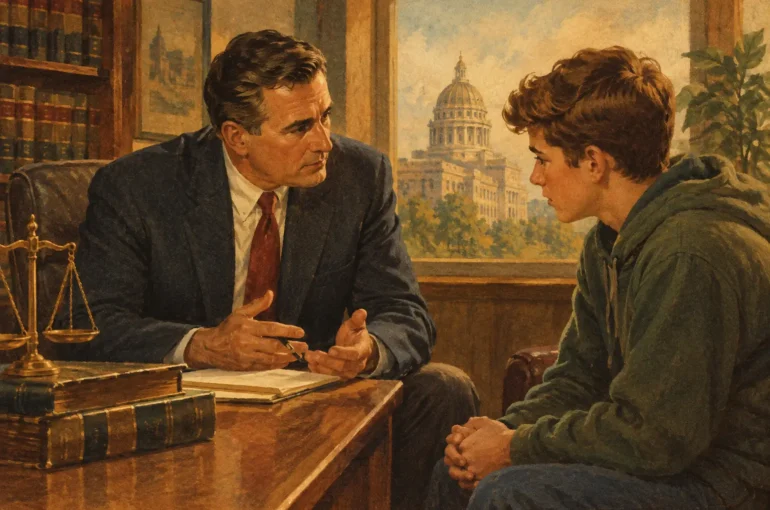
When a Juvenile Delinquency Lawyer in Pennsylvania Helps
A call from police, a school administrator, or juvenile probation can make a family feel as if everything is moving too fast. A juvenile delinquency lawyer Pennsylvania families turn to can slow the process down, protect a young person’s rights, and give parents clear answers before a mistake or misunderstanding becomes a lasting legal problem.
In Pennsylvania, juvenile court is intended to focus on rehabilitation, accountability, and public safety. That does not make the consequences minor. A delinquency case can affect a child’s freedom, schooling, driving privileges, family relationships, and future opportunities. The right response is prompt, informed action – not panic, and not waiting to see whether the matter simply goes away.
What Juvenile Delinquency Means in Pennsylvania
A juvenile delinquency case generally begins when a person under 18 is accused of committing an act that would be a crime if committed by an adult. Allegations may involve shoplifting, fighting, vandalism, drug possession, trespassing, theft, disorderly conduct, assault, or more serious offenses.
The language is different from adult criminal court. A young person is usually alleged to have committed a “delinquent act,” rather than being charged with a crime. The court may hold an adjudicatory hearing rather than a trial, and it may enter an adjudication of delinquency rather than a criminal conviction.
Those distinctions matter, but families should not mistake them for a guarantee of an easy outcome. The court can order supervision, probation, counseling, community service, restitution, electronic monitoring, placement outside the home, or other conditions. The details depend on the allegation, the evidence, the child’s history, and the court’s view of what will best protect the community and support rehabilitation.
The First Decisions Can Shape the Entire Case
After an incident, a child may be questioned by police, referred to juvenile probation, released to a parent, or held in detention. Parents often want their child to explain immediately and put the situation behind them. That instinct is understandable, but statements made early in the process can become evidence later.
A child has constitutional rights, including the right to remain silent and the right to counsel. Parents should take those rights seriously. Being cooperative does not require agreeing to an interview without legal guidance or allowing a child to guess at answers under pressure.
If detention is involved, time matters even more. The court will review whether continued detention is appropriate. A defense attorney can present information that may support release, including family supervision, school attendance, counseling, lack of prior history, and a safe plan for the child to return home.
Parents Have a Role, but They Are Not the Lawyer
Parents are essential to a strong defense. They can provide records, context, and stability. They may also help their child comply with court requirements. But a parent’s understandable desire to resolve the matter quickly can sometimes conflict with the child’s legal interests.
An attorney represents the juvenile and works to protect that child’s rights. Good representation also means keeping parents informed, explaining realistic options, and helping the family make decisions with a full understanding of the risks and benefits.
How a Juvenile Delinquency Lawyer in Pennsylvania Can Help
A defense strategy should begin with the facts, not assumptions. The allegations in a police report or school complaint are not the final word. An attorney can examine how the case started, whether witnesses are reliable, whether video or electronic evidence exists, and whether law enforcement followed proper procedures.
In many cases, the most effective result is not simply fighting every issue in court. It may involve seeking a dismissal, challenging weak evidence, advocating for an informal adjustment, negotiating conditions that keep a child at home, or presenting a plan that addresses the court’s legitimate concerns without imposing unnecessarily harsh consequences.
That is where practical legal counsel matters. A first-time shoplifting allegation and a serious assault allegation require different approaches. So do cases involving school discipline, mental health concerns, peer pressure, social media, or a child with no prior involvement in the system. There is no responsible one-size-fits-all answer.
A juvenile delinquency lawyer in Pennsylvania can also help a family understand the difference between what the prosecutor or probation department recommends and what the court may actually order. Recommendations carry weight, but they are not always the final outcome. Clear advocacy can make a meaningful difference at every stage.
Understanding the Juvenile Court Process
The process often starts with a referral or complaint. Juvenile probation may review the matter and decide whether it can be addressed informally or should proceed through a formal petition. Some lower-level cases may qualify for a diversionary or informal process, particularly where the child accepts responsibility and has limited or no prior history.
If the case proceeds formally, there may be hearings concerning detention, evidence, and the merits of the allegations. At an adjudicatory hearing, the court determines whether the allegations have been proven. If the court finds that the child committed a delinquent act and needs treatment, supervision, or rehabilitation, it may enter an adjudication of delinquency.
The next phase is disposition. This is where the court decides what services, supervision, or restrictions are appropriate. The defense should not treat disposition as an afterthought. School records, treatment assessments, character information, family support, restitution efforts, and a concrete plan for success can all help present the child as a person with a future worth protecting.
Serious Charges May Carry Higher Stakes
Some allegations can expose a juvenile to particularly serious consequences. Depending on the charge and the child’s age, a matter may be handled in adult criminal court or become the subject of a transfer proceeding. Cases involving weapons, serious violence, or certain sexual offenses demand immediate, experienced attention.
The stakes in these matters go beyond the immediate court date. A family may be facing detention, adult criminal penalties, registration-related issues in certain cases, or long-term effects on education and employment. Early legal review is critical because the available options can narrow quickly once a case moves forward.
School Discipline and the Court Case Are Separate Problems
A juvenile allegation can trigger school consequences, including suspension, expulsion proceedings, loss of extracurricular eligibility, or a required disciplinary hearing. The school process and the juvenile court process are separate, even when they arise from the same event.
What a student says to school officials may affect the legal case. Families should understand the rules before submitting written statements, agreeing to interviews, or accepting a school discipline outcome that could have broader consequences. Addressing both tracks carefully can help prevent one problem from making the other worse.
What Families Can Do Right Now
The most helpful first step is to preserve information. Save messages, photographs, videos, school notices, paperwork, and the names of potential witnesses. Do not delete social media posts or encourage a child to contact an alleged victim, witness, or co-defendant. Even well-intended communication can create new problems.
Parents should also focus on stability. Make sure the child attends school unless instructed otherwise, follows release conditions, avoids further conflict, and gets appropriate support if mental health, substance use, bullying, or family stress contributed to the incident. Taking constructive steps is not an admission of guilt. It can demonstrate responsible parenting and give the court a more complete picture.
For families in Philadelphia, Montgomery, Bucks, Chester, Delaware, Berks, and surrounding southeastern Pennsylvania counties, local court practices can differ. A lawyer who understands the process can provide direct advice tailored to the county, the allegations, and the child’s individual circumstances.
A juvenile case is not just a file number or a difficult day in court. It is a moment when a young person needs protection, direction, and a real opportunity to move forward. Prompt legal advice can help your family respond with confidence and protect what comes next.