
When a Consumer Fraud Lawyer Can Help You Fight Back
A consumer fraud lawyer helps people respond when a business crosses the line from a disappointing transaction into deception, unfair practices, or unlawful pressure. That can mean a contractor who took a deposit and disappeared, a car dealer who concealed serious defects, a company that continued billing after cancellation, or a lender or debt collector using misleading tactics. The details matter, but so does timing. The documents, messages, advertisements, and payment records that feel routine at first can become the evidence needed to protect your rights.
For Pennsylvania consumers, fraud claims are not just about proving that a purchase went badly. Many disputes turn on what the business said, what it failed to disclose, what it promised in writing, and whether its conduct violated consumer-protection law. A focused legal assessment can help you decide whether to negotiate, send a formal demand, pursue a complaint, or prepare for litigation.
What a Consumer Fraud Lawyer Looks For
Not every poor service experience is consumer fraud. A contractor may make an honest mistake. A product may fail without the seller having done anything deceptive. A business dispute can also be a straightforward breach of contract, where the key issue is whether each side performed as promised.
Consumer fraud concerns arise when a business uses deceptive, misleading, or unfair conduct to induce a consumer to spend money or give up a legal right. In Pennsylvania, claims often involve the Unfair Trade Practices and Consumer Protection Law, commonly called the UTPCPL. The law can provide meaningful remedies, but it is not automatic. The facts and available proof drive the case.
A lawyer will usually examine the full course of the transaction: the advertisement or sales pitch, estimates and contracts, text messages, invoices, payment method, cancellation terms, and the business’s response after you raised concerns. The question is not simply whether you are unhappy with the outcome. It is whether the company made a material misrepresentation, omitted critical information, used unlawful practices, or failed to honor obligations in a way the law recognizes.
Common consumer fraud situations
Consumer-protection disputes can develop in many settings. Some of the most common involve home-improvement work, vehicle sales and repairs, predatory or misleading financing, deceptive online sales, hidden fees, false billing, subscription cancellation problems, and abusive debt-collection conduct.
Home improvement disputes deserve particular attention. A homeowner may be pressured to sign immediately, asked for a large cash deposit, promised work that never starts, or told that additional charges are necessary without a clear explanation. Pennsylvania has specific rules that may apply to home-improvement contracts and contractors. A missing written contract, unclear change order, or misleading representation about licensing can be more than a paperwork problem.
Vehicle transactions can be equally complicated. A used vehicle sold “as is” does not give a dealer permission to lie about its condition, conceal known defects, or misrepresent the history of the vehicle. At the same time, an “as is” sale can affect available claims, which is why the sales paperwork and advertising must be reviewed carefully.
Evidence Often Decides the Strength of the Claim
People often wait to seek advice because they assume the business will make things right. Sometimes it will. But once a dispute begins, records have a way of disappearing, accounts get closed, employees change their story, and verbal promises become difficult to prove.
Preserve what you have before it is lost. Save screenshots of online listings and social-media advertisements. Keep the original contract, estimates, receipts, warranties, emails, texts, voicemails, photographs, and any written notes of conversations. If work on your home is defective or incomplete, photograph it from several angles before another contractor repairs or removes it. If possible, obtain a written estimate for the cost of correcting the problem.
Payment records matter as well. Credit-card statements, canceled checks, financing agreements, and electronic payment confirmations can establish how much was paid and to whom. They may also create practical options for challenging a charge or tracing a transaction.
Do not alter documents, exaggerate what occurred, or post accusations online before you understand the legal issues. A clear, fact-based record is far more useful than an angry exchange. It strengthens your position in negotiations and gives your attorney a better foundation if court action becomes necessary.
What Remedies May Be Available
The right remedy depends on the conduct, the amount of loss, the contract language, and the governing law. In some matters, the most efficient solution is a demand letter that identifies the problem, requests a specific cure, and sets a reasonable deadline. In others, a negotiated refund, repair, replacement, or contract cancellation may resolve the dispute without a lawsuit.
When deception caused an ascertainable loss, Pennsylvania consumer-protection law may allow recovery of actual damages. In appropriate cases, a court may award additional damages, potentially up to three times the actual damages, as well as attorney’s fees. Those possibilities can give consumers leverage, but they are not guaranteed. The evidence, the defendant’s conduct, and the particular legal claim all matter.
A consumer fraud lawyer can also assess whether other claims apply, including breach of contract, fraud, unjust enrichment, warranty claims, or violations of industry-specific rules. A business may have assets, insurance, or an enforceable contract clause that affects the practical value of a claim. Conversely, winning a judgment against a company with no assets can create a new collection problem. Sound counsel weighs the law against the real-world likelihood of recovery.
When It Makes Sense to Speak With a Consumer Fraud Lawyer
You do not need to wait until a dispute becomes a courtroom case. Early advice can help you avoid signing a harmful release, missing a deadline, agreeing to a poor settlement, or communicating in a way that weakens your position.
It is especially wise to seek counsel when the financial loss is significant, a business refuses to respond, the company is threatening collections or legal action, multiple consumers may have been harmed, or the transaction involves a complex contract or financing arrangement. A prompt review is also valuable if you believe a contractor, seller, lender, or service provider used false statements to obtain your money.
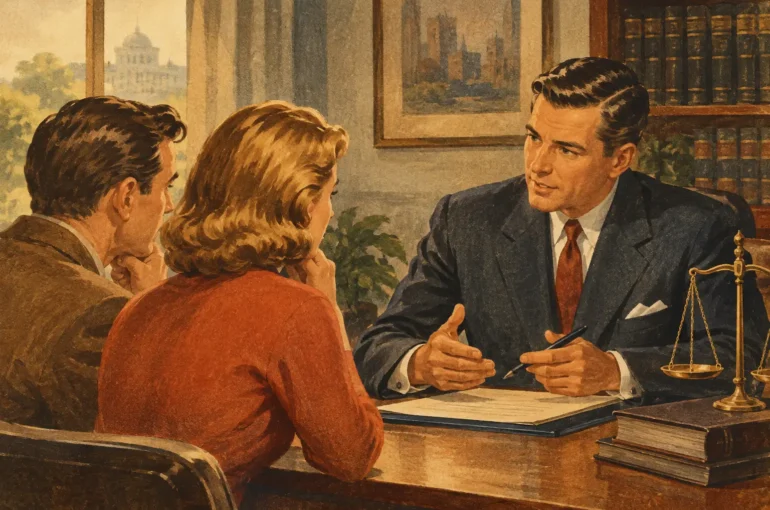
Bring a concise timeline to the consultation. Explain what was promised, what you paid, what went wrong, and what you want to happen next. Be candid about any documents you signed and any actions you have already taken. The goal is not to turn every dispute into litigation. It is to identify the most effective path toward a fair result.
Practical Steps Before You Escalate the Dispute
Start by reviewing the contract and gathering your records. Then send a calm, written notice to the business that explains the issue and the resolution you are requesting. Keep a copy and document delivery. A business that is willing to correct the problem may do so when faced with a clear record and a reasonable deadline.
Be cautious with quick settlement offers. A refund may be appropriate, but a release can prevent you from pursuing other losses later. If the offer does not cover the actual harm, or if the paperwork is confusing, have it reviewed before you sign.
Donoghue Legal Group helps consumers throughout Southeastern Pennsylvania evaluate deceptive business practices, pursue practical solutions, and litigate when a business refuses to deal fairly. Personal attention and forceful advocacy are not competing ideas. A client deserves both.
If a business took advantage of your trust, do not assume the cost of pursuing the matter will outweigh the problem. A timely conversation, organized evidence, and a clear plan can put you in a far stronger position to demand accountability.